The Indeterminate Image
2026 - ongoing
Szigetköz, Hungary
super 8 film; plant-based printing; writing
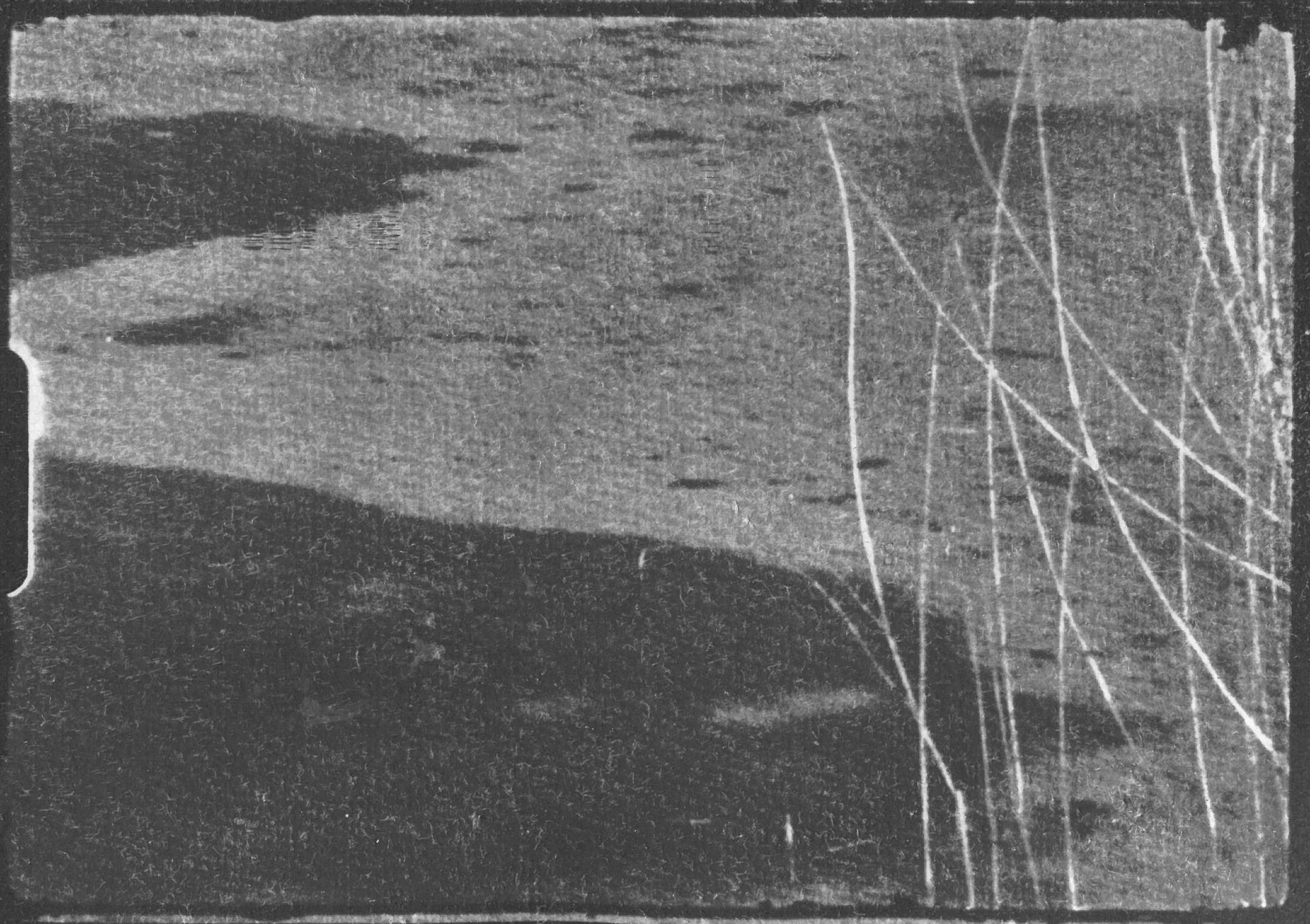
Developed for a special edition of Antipode Journal on 'Conflict Rivers'
Processes that have made wetlands legible have contributed to the financialisation of these previously ungoverned landscapes, so how we portray disappearing environments is not a neutral question. Visuality has long been our primary mode of engagement, and we need to rethink how landscapes are depicted without rendering them more vulnerable to extractive mechanisms. The end of the 19th century marked an important epistemological shift in how we portray the environment. Following the closure of the map, geographers moved away from speculative cartography towards the scientific survey, which only enabled the enclosure of previously unmapped territories. Remote environments have been rendered increasingly more visible by technologies like GIS mapping and satellite imagery, with virtually no limits on resolution of information. Documentary image-making practices risk reproducing this logic of extraction by making the subject of their study hyper-legible.
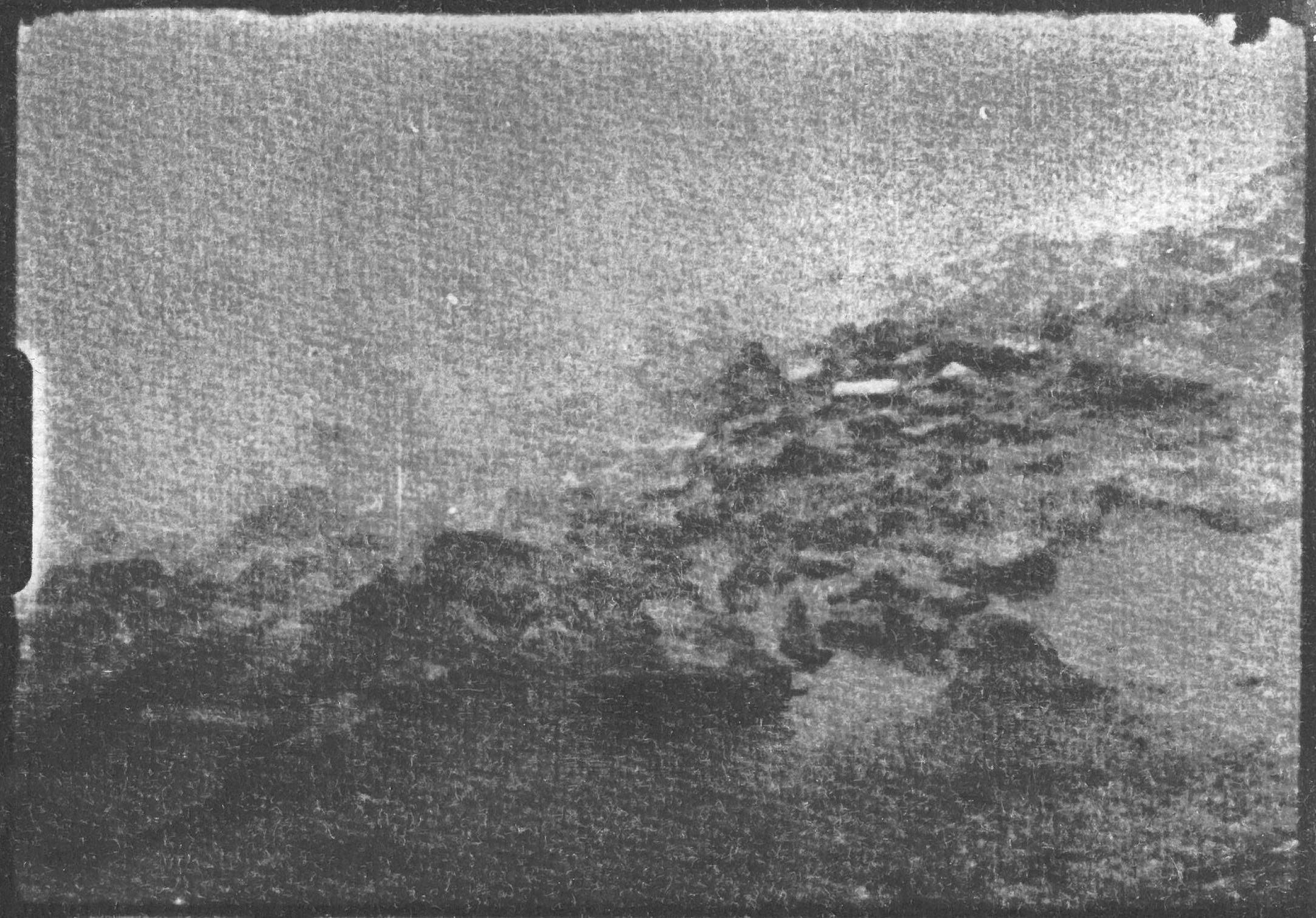
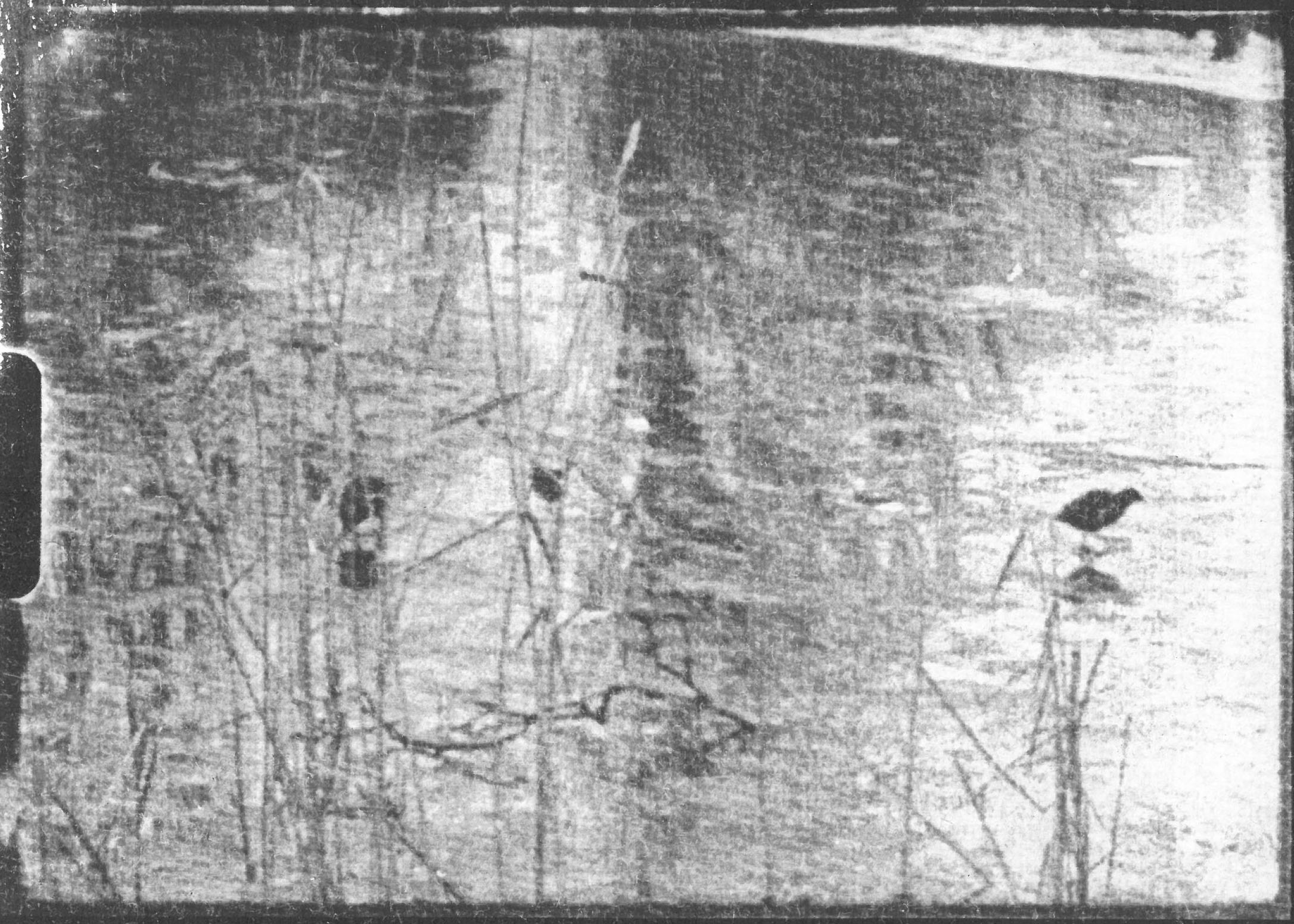
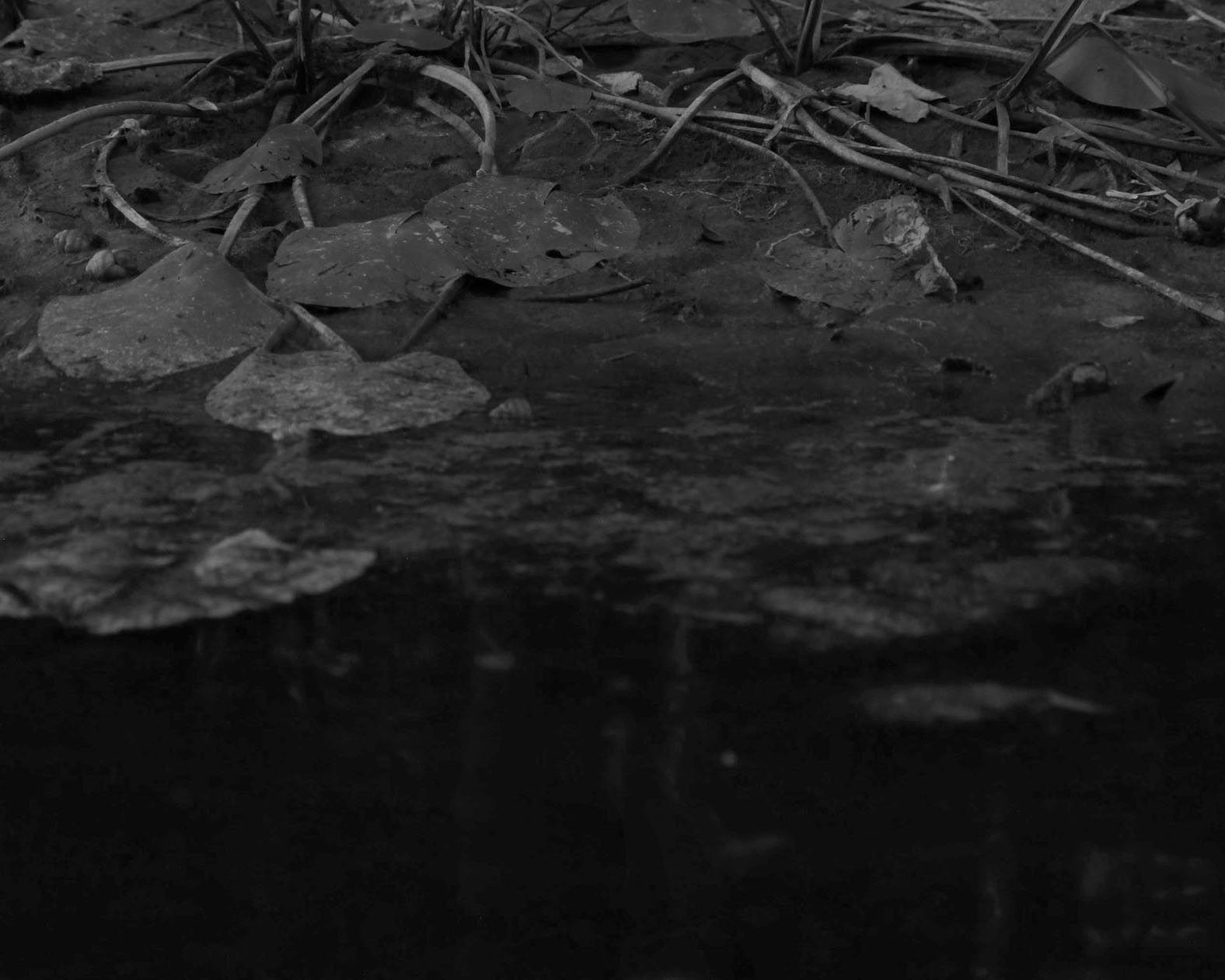
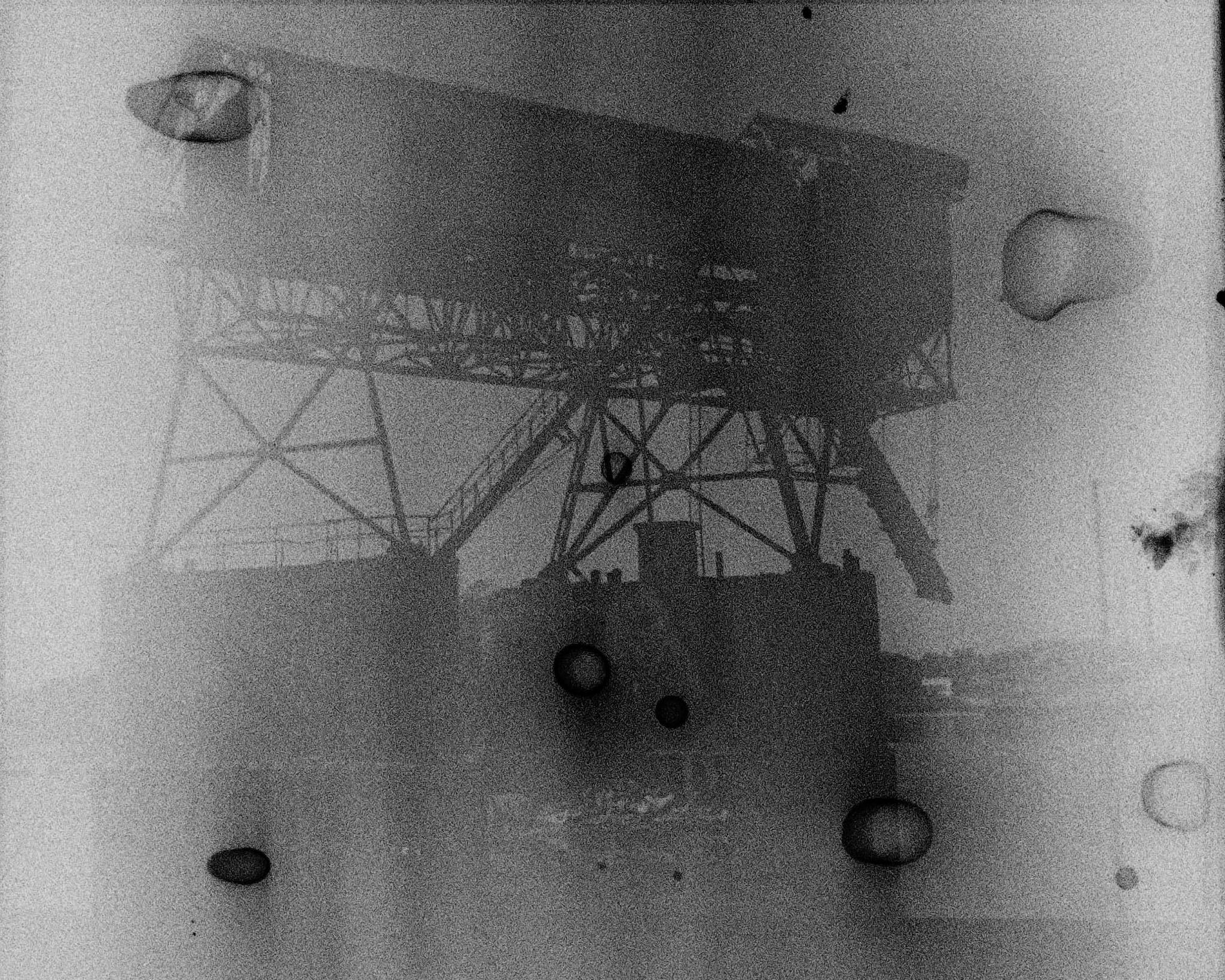
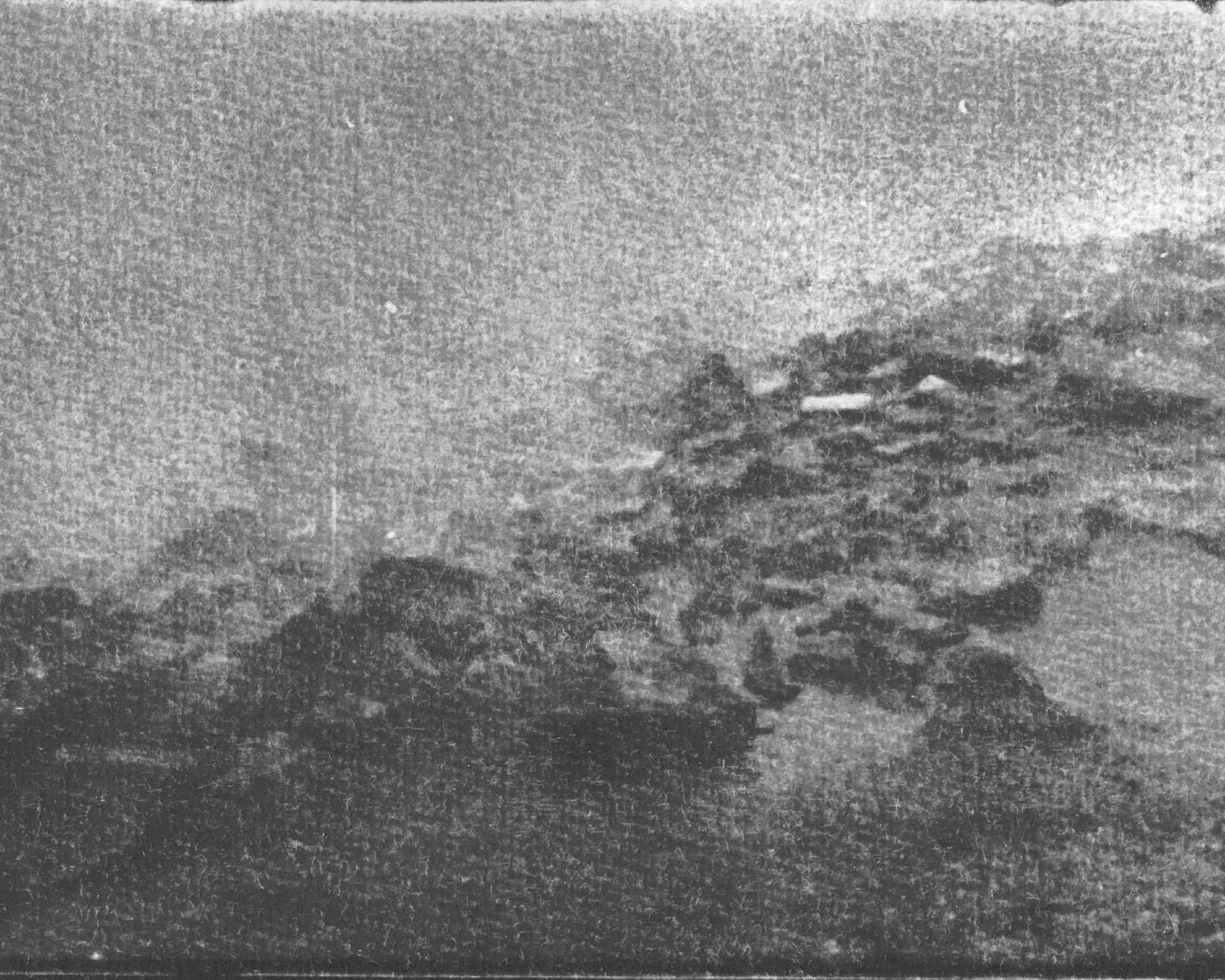
There are, however, other modes of engagement through which we can continue to politicise these disappearing spaces. The indeterminate image, for example, deliberately disturbs legibility. It is produced through an embodied process of abstraction and it attempts to outline a way of relating differently to these disobedient, ambiguous and liminal spaces. Caught in-between moving image and stills, the indeterminate image is transformed from Super 8 frames through the repetition of scanning, enlarging, printing, washing, bleaching, toning, and drying. It performs the same logic of refusal as the zone of transition itself. In Szigetköz, illegibility and material disobedience continue to create the conditions for resistance against the forces of neoliberal financialisation.
FRONTIER CONFLUENCE
FERMENTED REED DEVELOPER
THE INDETERMINATE IMAGE

UNDEAD RIVER

DELTA IMAGINARIES

LANDSCAPES OF REFUSAL

HYDRO-POWER

CAN FISH SWEAT
