Fermented Reed Developer
2026 - ongoing
Ecsedi Swamp, Hungary / Romania
photochemical experiments
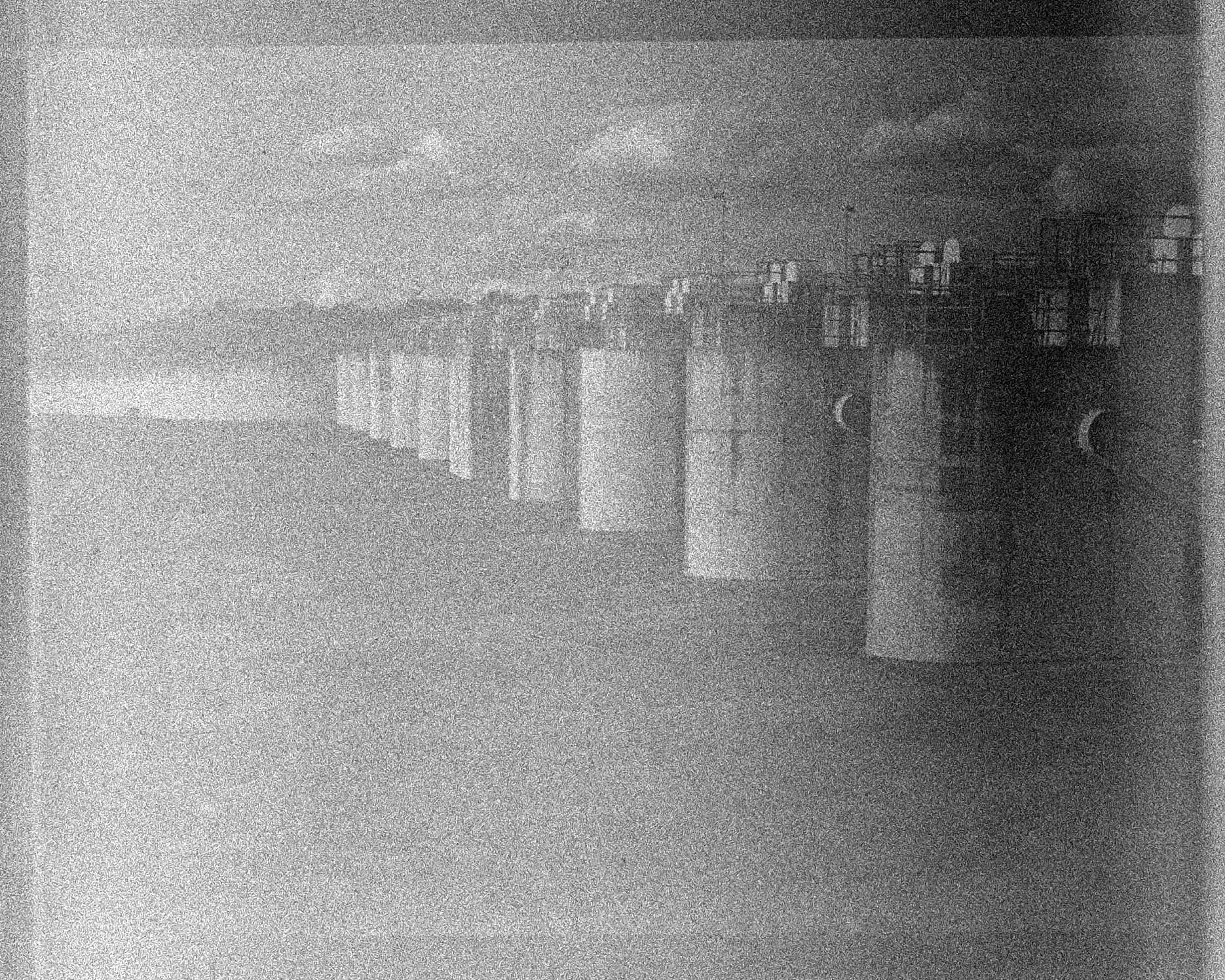
While wetlands can mitigate the effects of climate change, they are themselves rendered vulnerable by the extreme conditions they are meant to absorb. Prolonged drought is transforming these environments at an alarming rate, causing permanent damage to the ecological relations that sustain them.
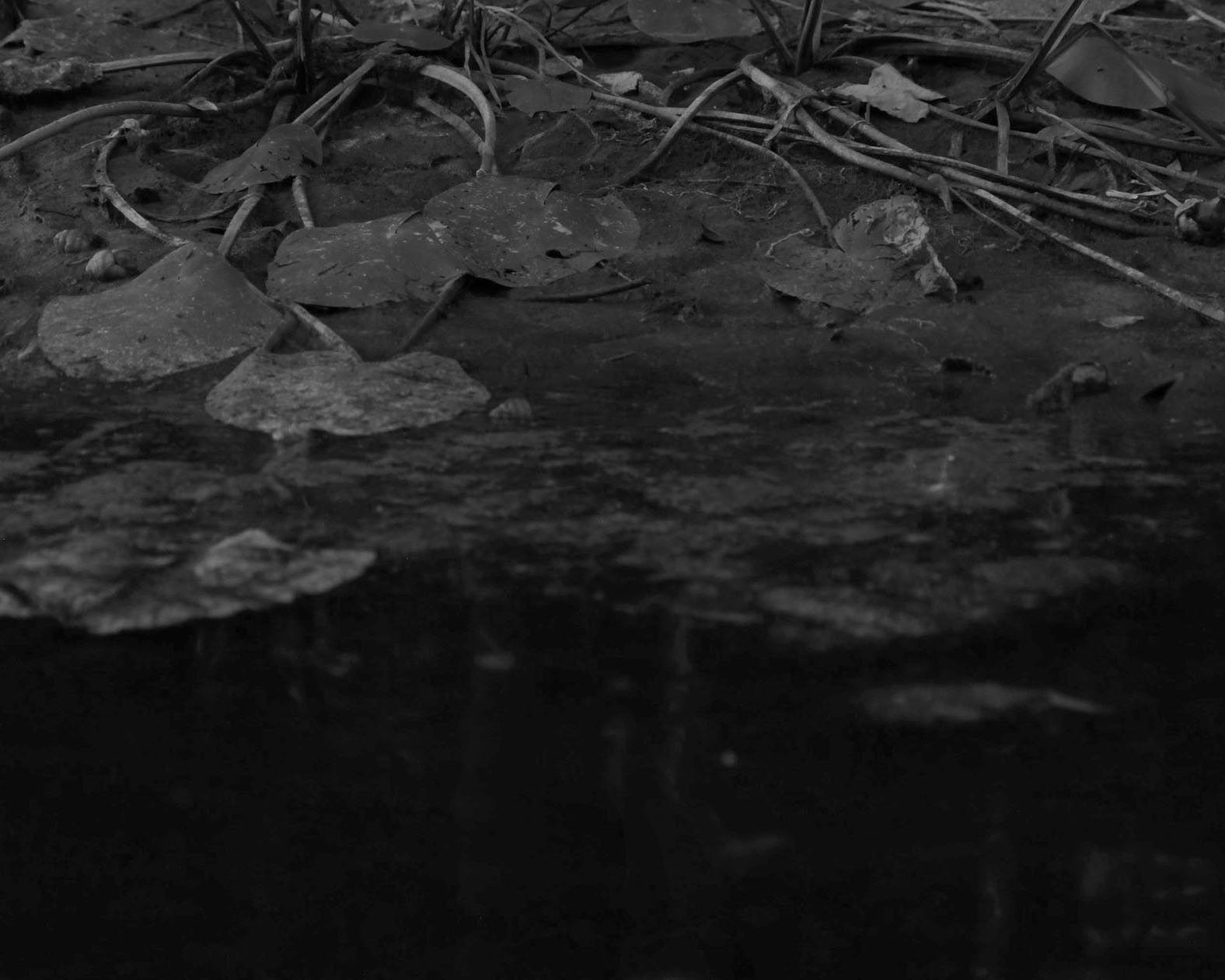
Reeds occupy the moving threshold between land and water. They are biofilters of industrial pollutants and also serve as habitat for both aquatic and terrestrial species. Floating reed islands used to host kitchen gardens, and also provide refuge for those deemed ungovernable and undesirable by the state. The materiality of these indeterminate landscapes is a rich container of histories of resistance and disobedience. The semi-permanently low water levels created conditions in which reed beds began to die and decompose through a fermentation-like process.
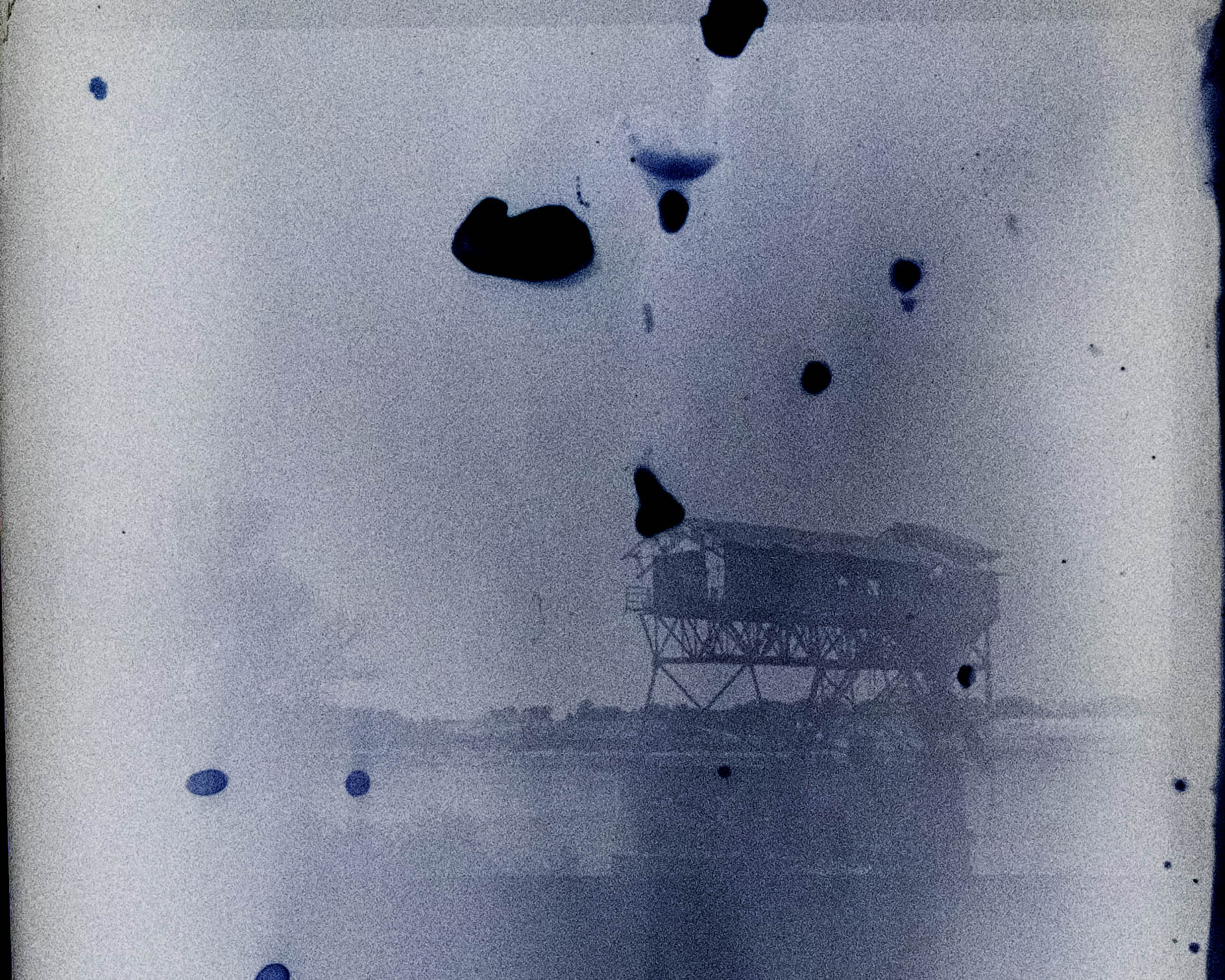
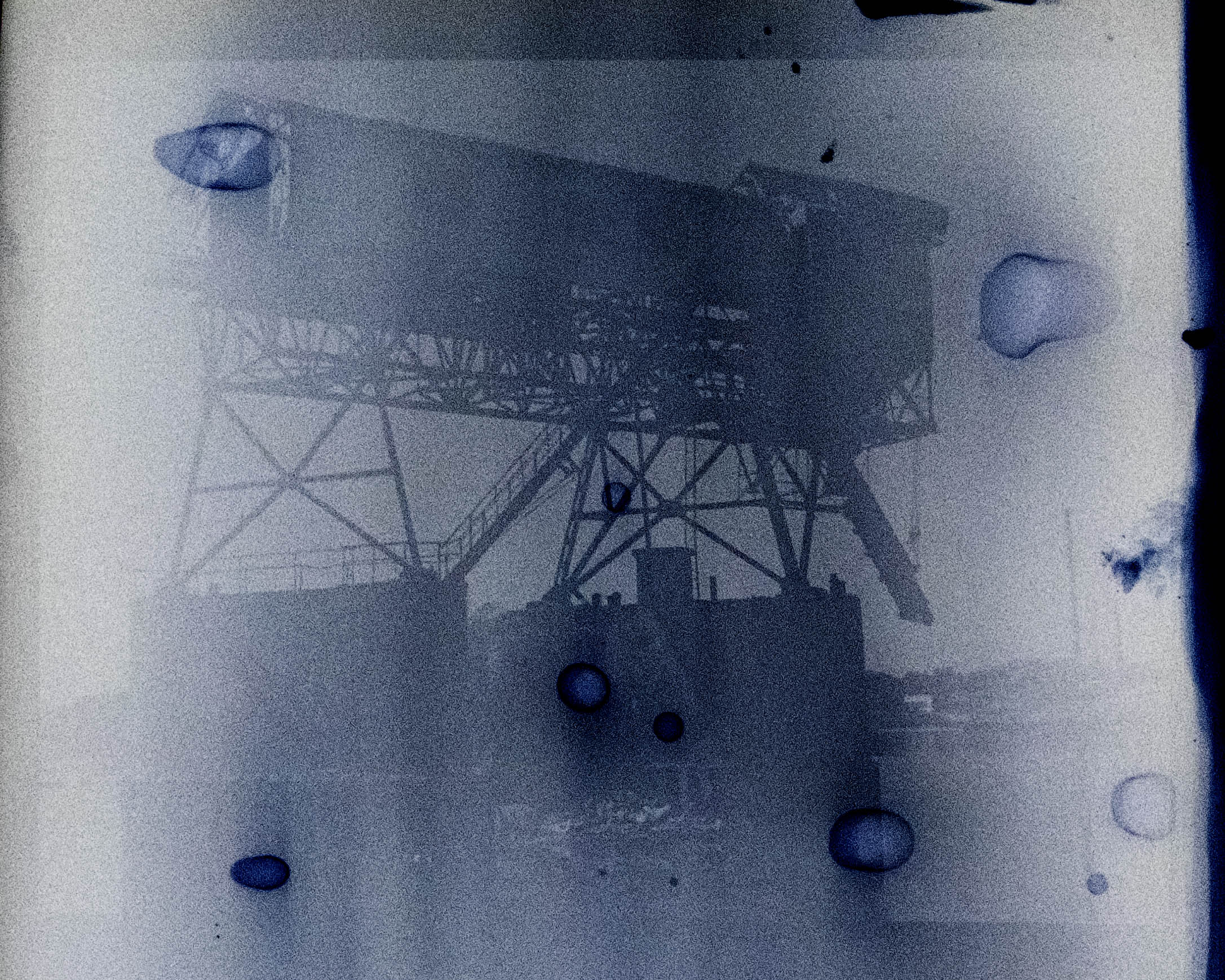
This project is an investigation into the image-making capacity of an ecosystem in transition. Here, fermented reed becomes an active ingredient in the chemistry through which images emerge. The photographs are materially entangled with the processes that are causing the transformation and disappearance of indeterminate landscapes. They become pseudo-forensic artefacts; a chemical encounter between light, plant matter, microbial activity, photographic emulsion, and changing ecological conditions.
FRONTIER CONFLUENCE
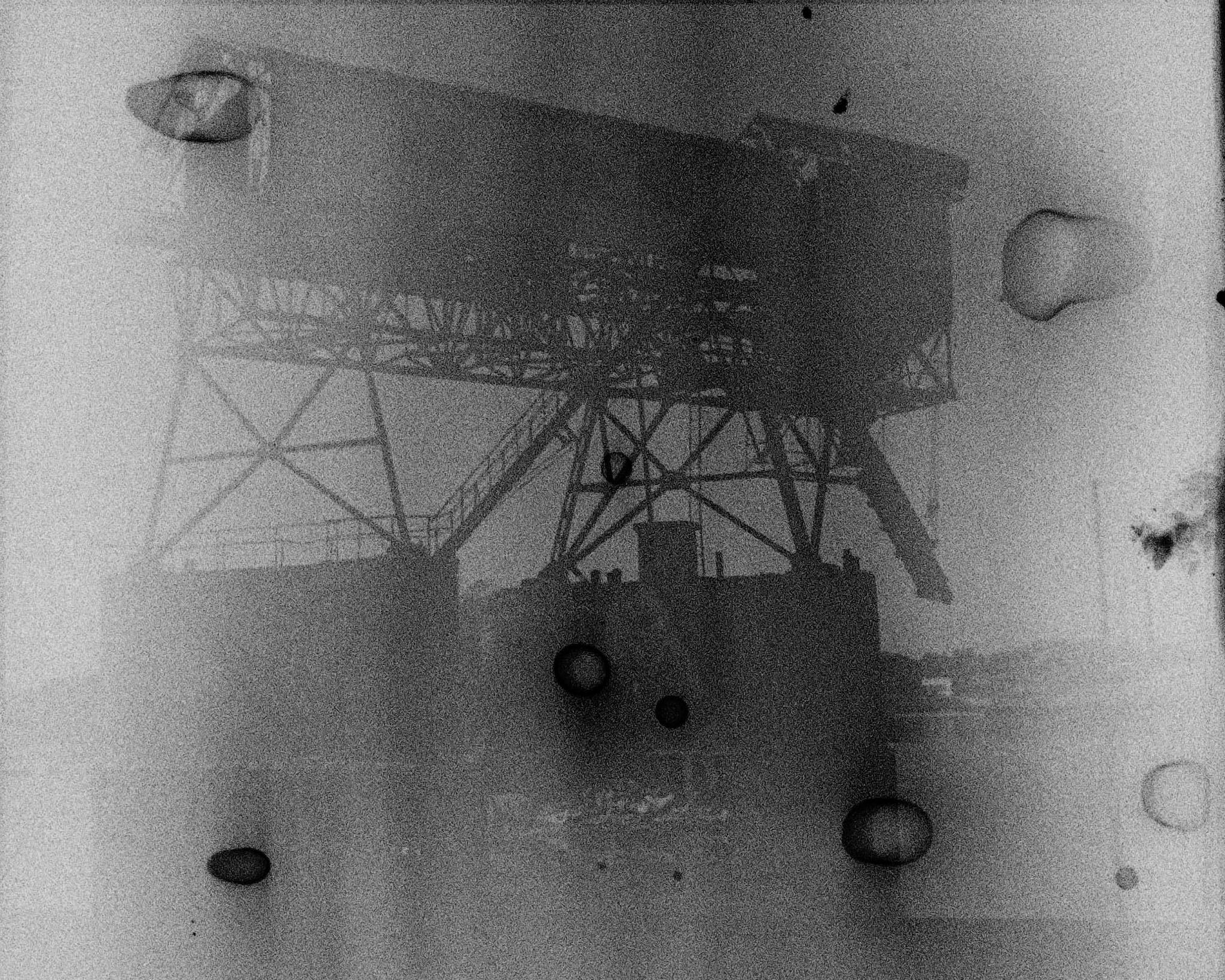
FERMENTED REED DEVELOPER
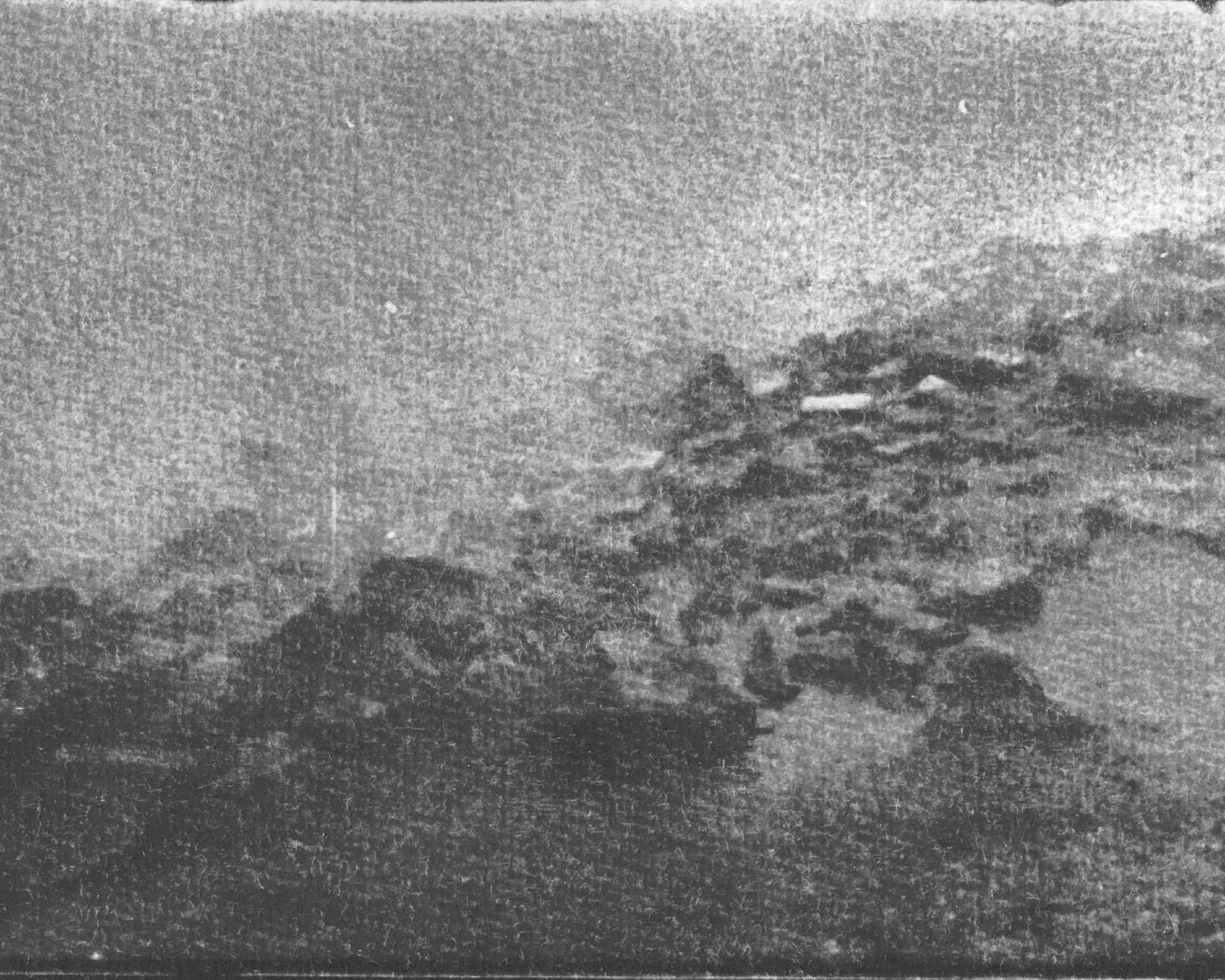
THE INDETERMINATE IMAGE

UNDEAD RIVER

DELTA IMAGINARIES

LANDSCAPES OF REFUSAL

HYDRO-POWER

CAN FISH SWEAT
